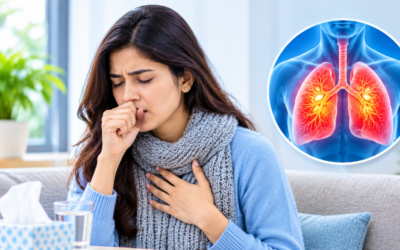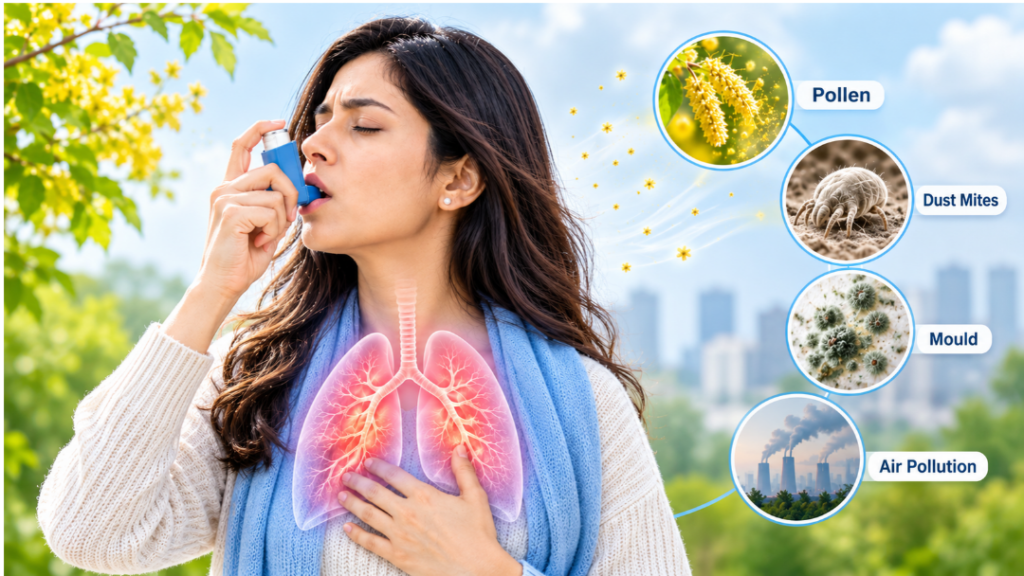
As the monsoon season comes to an end, changing weather conditions can affect respiratory health. Fluctuating temperatures, humidity, dust, mould and seasonal allergens may trigger sneezing, nasal congestion, persistent coughing, wheezing and breathlessness.
While some people experience temporary irritation, others may notice worsening asthma symptoms or previously undiagnosed respiratory problems.
A repeated cough may be mistaken for a common cold, while breathlessness during everyday activities may be dismissed as tiredness. However, recurring respiratory symptoms should not be ignored.
Understanding how seasonal changes affect your lungs can help you recognise warning signs and seek timely medical care.
Why Do Seasonal Changes Affect Respiratory Health?
Our respiratory system constantly responds to changes in the surrounding environment. During the post-monsoon period, variations in temperature, humidity and air quality can irritate the airways.
Some common environmental triggers include:
- Dust and pollution: Increased exposure to airborne particles can irritate sensitive airways.
- Indoor mould: Moisture left behind after heavy rainfall may encourage mould growth in damp areas.
- Temperature fluctuations: Sudden weather changes can trigger symptoms in people with asthma.
- Seasonal allergens: Pollen, dust mites and other allergens may cause allergic reactions.
- Respiratory infections: Seasonal infections can worsen existing lung conditions.
People with asthma, allergies and other respiratory conditions may be particularly sensitive to these changes.
Asthma: Recognising the Symptoms Early
Asthma is a chronic respiratory condition in which the airways become inflamed and narrow, making breathing difficult.
Symptoms may vary from person to person and can appear occasionally or repeatedly.
Common asthma symptoms include:
- Persistent or recurring coughing, especially at night.
- Wheezing or a whistling sound while breathing.
- Chest tightness or discomfort.
- Shortness of breath.
- Difficulty breathing during exercise or physical activity.
Some people experience symptoms only during particular seasons or after exposure to dust, smoke and other environmental triggers.
Even if symptoms disappear temporarily, recurring breathing difficulties deserve medical attention. With proper diagnosis, prescribed treatment and regular follow-up, asthma can be effectively controlled in many patients.
Seasonal Allergies or Respiratory Infections: What’s the Difference?
Allergies and respiratory infections can cause similar symptoms, making it difficult to identify the exact cause.
Allergies commonly cause repeated sneezing, itchy eyes, nasal congestion and watery nasal discharge. Fever is generally uncommon in uncomplicated allergies.
Respiratory infections may cause coughing, sore throat, fever, body aches and fatigue.
However, symptoms can overlap. People with allergies may also develop infections, while respiratory infections can worsen asthma symptoms.
If symptoms persist, become severe or repeatedly return, consult a doctor for an appropriate evaluation.
How Can Uncontrolled Asthma Affect Daily Life?
Poorly controlled asthma can interfere with everyday activities and overall quality of life.
Frequent coughing may disturb sleep, while breathlessness can make walking, climbing stairs and exercising difficult. Some people may avoid physical activities because they are worried about triggering symptoms.
Asthma management focuses on controlling airway inflammation, reducing symptoms and preventing severe flare-ups.
Depending on the patient’s condition, a pulmonologist may recommend inhaled medication or other appropriate treatments.
Regular medical follow-up and correct medication use are important for maintaining better asthma control.
Understanding the Importance of Inhalers
Many people hesitate to use inhalers because they believe that inhalers cause dependency or weaken the lungs.
This is a common misconception.
Inhalers deliver medication directly to the airways and are an important part of asthma management.
Different inhalers serve different purposes:
- Reliever inhalers: Help provide quick relief from asthma symptoms.
- Preventer inhalers: Help control airway inflammation and reduce the risk of asthma attacks.
The choice of inhaler depends on the patient’s condition and medical assessment. Correct inhaler technique is equally important to ensure the medicine reaches the lungs effectively.
Patients should follow their prescribed treatment and never stop or change medication without consulting their doctor.
When Should You Be Concerned About Breathlessness?
Breathlessness should not automatically be blamed on changing weather or physical tiredness.
If you regularly experience difficulty breathing while walking, climbing stairs or performing routine activities, it is important to identify the underlying cause.
Breathlessness may be associated with asthma, Chronic Obstructive Pulmonary Disease (COPD), respiratory infections, anaemia, heart conditions and other medical problems.
Sudden or severe breathing difficulty requires urgent medical attention, especially when accompanied by chest pain, fainting, confusion or bluish lips.
Even recurring breathlessness should be evaluated by a healthcare professional rather than ignored.
COPD and Seasonal Respiratory Challenges
Chronic Obstructive Pulmonary Disease (COPD) is a long-term lung condition that causes airflow obstruction and makes breathing difficult.
Common symptoms include persistent coughing, mucus production, wheezing and breathlessness during physical activity.
Respiratory infections, air pollution and tobacco smoke can worsen COPD symptoms.
People with COPD should follow their prescribed treatment, attend regular medical check-ups and avoid exposure to smoking and other airway irritants.
Smoking cessation, appropriate medication and pulmonary rehabilitation, when recommended, can help improve symptom management and daily functioning.
7 Simple Ways to Protect Your Lung Health
Small lifestyle changes can help reduce exposure to respiratory irritants and support better breathing.
- Control indoor moisture: Keep damp areas dry and address visible mould.
- Reduce dust exposure: Clean your home regularly without disturbing excessive dust.
- Avoid tobacco smoke: Stay away from smoking and second-hand smoke.
- Maintain ventilation: Ensure proper airflow inside your home.
- Identify personal triggers: Observe which environmental conditions worsen your symptoms.
- Stay physically active: Follow an exercise routine suitable for your health.
- Follow medical advice: Take prescribed medication and attend regular check-ups if you have asthma or COPD.
These steps support respiratory health but do not replace medical treatment.
Why Consult a Pulmonologist?
Persistent coughing, recurring wheezing and unexplained breathlessness may have several underlying causes.
A pulmonologist specialises in diagnosing and treating conditions affecting the lungs and respiratory system.
Depending on your symptoms and medical history, your evaluation may include spirometry, pulmonary function tests, chest imaging, blood investigations or other specialised assessments.
At Ashraya Multispeciality Hospital, Wakad, Pune, pulmonology services include the evaluation and management of asthma, COPD, lung infections, chronic cough, sleep-related breathing disorders, bronchiectasis and other respiratory conditions.
The focus is on identifying the underlying cause and providing appropriate treatment and ongoing respiratory care.
Final Word: Don’t Ignore Recurring Breathing Problems
Seasonal changes can trigger allergies, worsen asthma and make existing respiratory problems more noticeable.
Occasional sneezing may not be a cause for concern, but persistent coughing, repeated wheezing, chest tightness and unexplained breathlessness deserve proper medical evaluation.
At Ashraya Multispeciality Hospital, Wakad, Pune, experienced pulmonology specialists provide comprehensive respiratory evaluation and treatment to support better lung health.
Breathe Better. Live Better. Pay Attention to Your Lung Health This Season.
Recent Posts
-
 Post-Monsoon Respiratory Problems: How Seasonal Changes Affect Your Lung Health
-
 Post-Monsoon Cough and Chest Infections: When Does a Simple Cough Need Medical Attention?
-
 World Heart Day: Recognise the Warning Signs of Heart Problems Before They Become an Emergency
-
 Post-Monsoon Respiratory Infections: Why September Can Trigger Cough, Cold and Breathing Problems
-
 Menopause: Understanding Symptoms, Treatment and Ways to Improve Your Quality of Life