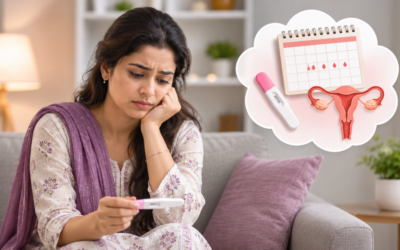
Menopause is a natural stage in every woman’s life, marking the end of her reproductive years. However, the hormonal changes associated with this transition can bring several physical and emotional challenges. Hot flashes, night sweats, mood swings, irregular periods and sleep disturbances are some of the common symptoms women may experience.
For some women, these changes are mild, while others may find them disruptive to their daily routines, relationships and overall well-being.
Menopause is a normal biological process, but that does not mean women have to struggle with uncomfortable symptoms without support. With appropriate medical guidance, healthy lifestyle choices and personalised treatment, menopause can be managed effectively.
At Ashraya Multispeciality Hospital, Wakad, Pune, women’s healthcare focuses on providing appropriate medical guidance and support to help women maintain their health and quality of life through every stage of life.
What Is Menopause?
Menopause is the stage when a woman permanently stops menstruating due to a natural decline in ovarian hormone production. It is diagnosed after 12 consecutive months without a menstrual period, provided there is no other medical explanation.
Menopause commonly occurs between the ages of 45 and 55, although the timing can vary.
The transition usually happens in three stages:
- Perimenopause: The transition period when hormone levels fluctuate, menstrual cycles become irregular and menopause-related symptoms may begin.
- Menopause: The point at which a woman has gone 12 consecutive months without menstruation.
- Postmenopause: The stage of life following menopause, when menstrual periods have permanently stopped.
Every woman’s experience is different, and symptoms can vary in duration and intensity.
Common Symptoms of Menopause
The decline in estrogen and progesterone levels can affect several body functions. Some women experience only a few symptoms, while others experience multiple changes.
Common symptoms include:
1. Hot Flashes and Night Sweats
Sudden feelings of warmth, particularly around the face, neck and chest, are common during menopause. These may be accompanied by sweating, flushing and an increased heartbeat. Night sweats can interrupt sleep and cause daytime tiredness.
2. Irregular Menstrual Cycles
Periods may become lighter, heavier, shorter or less frequent during perimenopause before stopping completely.
3. Mood Changes
Hormonal fluctuations can contribute to irritability, anxiety, mood swings and emotional discomfort.
4. Sleep Disturbances
Some women experience difficulty falling asleep or staying asleep, often because of night sweats and other hormonal changes.
5. Vaginal Dryness and Urinary Symptoms
Reduced estrogen levels can cause vaginal dryness, discomfort during intercourse, urinary urgency and an increased tendency towards urinary tract infections.
6. Changes in Weight, Skin and Hair
Some women notice changes in body composition, weight distribution, skin moisture and hair thickness during this stage.
Joint discomfort, headaches and difficulty concentrating may also occur.
How Does Menopause Affect Long-Term Health?
Menopause involves more than the end of menstrual cycles. Declining estrogen levels can influence bone health, cardiovascular health and metabolism.
Bone Health: Estrogen helps maintain bone density. Its decline can accelerate bone loss and increase the risk of osteoporosis and fractures.
Heart Health: Cardiovascular risk may increase after menopause due to changes in cholesterol levels, blood pressure and other metabolic factors.
Metabolic Changes: Some women experience increased abdominal fat, changes in body composition and reduced metabolic efficiency.
Emotional Well-Being: Sleep problems, anxiety and mood changes can affect personal relationships, concentration and everyday activities.
Regular health assessments can help identify these changes early and support better long-term health.
When Should You Consult a Gynecologist?
Although menopause is a natural process, medical guidance is important when symptoms become difficult to manage.
Consider consulting a gynecologist if you experience:
- Frequent or severe hot flashes.
- Persistent sleep disturbances.
- Mood changes affecting daily life.
- Vaginal dryness or discomfort.
- Recurrent urinary symptoms.
- Unusually heavy or prolonged menstrual bleeding.
- Symptoms that interfere with your work or everyday activities.
Any vaginal bleeding after menopause should be medically evaluated, even if it occurs only once.
Timely consultation helps identify possible underlying conditions and provides an opportunity to discuss suitable treatment options.
How Is Menopause Diagnosed?
Menopause is generally diagnosed through a review of menstrual history, symptoms and age.
For women aged 45 or older with typical symptoms and changes in menstrual cycles, laboratory hormone testing is usually not necessary to confirm natural menopause.
However, your gynecologist may recommend selected investigations when symptoms are unusual or another condition needs to be ruled out.
Depending on your medical history, these may include:
- Thyroid function tests.
- Blood investigations when clinically indicated.
- Blood pressure and cholesterol assessment.
- Blood sugar testing.
- Bone mineral density testing when appropriate.
A personalised evaluation helps distinguish menopause-related symptoms from other medical conditions.
What Are the Treatment Options for Menopause?
Menopause treatment depends on the symptoms, medical history, age and individual health requirements.
Hormone Replacement Therapy (HRT): Hormone therapy may help manage moderate to severe hot flashes, night sweats and certain other menopause-related symptoms. It may also help prevent bone loss in suitable women. However, it is not appropriate for everyone. The benefits and risks depend on factors such as age, medical history, type of therapy and timing.
Non-Hormonal Treatment: Women who cannot use hormone therapy or prefer alternatives may benefit from prescribed non-hormonal medicines for selected symptoms.
Vaginal Estrogen Therapy: Low-dose vaginal estrogen may help manage vaginal dryness, discomfort and certain urinary symptoms in suitable patients.
Bone Health Management: Depending on individual risk, doctors may recommend calcium and vitamin D intake, exercise or medications to protect bone health.
Treatment should always be discussed with a qualified healthcare professional rather than started independently.
7 Lifestyle Tips for a Healthier Menopause
Healthy daily habits can make menopause more manageable and support long-term well-being.
- Eat a Balanced Diet: Include fruits, vegetables, whole grains, calcium-rich foods and adequate protein.
- Stay Physically Active: Walking, strength training and weight-bearing exercises can support bone and muscle health.
- Prioritise Sleep: Maintain a regular sleeping schedule and create a comfortable sleeping environment.
- Manage Stress: Yoga, meditation and relaxation techniques may support emotional well-being.
- Stay Hydrated: Drink adequate water throughout the day.
- Avoid Smoking: Smoking can increase the risk of osteoporosis and cardiovascular disease.
- Attend Regular Check-Ups: Monitor blood pressure, cholesterol, blood sugar and bone health as recommended by your doctor.
Small, consistent lifestyle changes can make a meaningful difference.
Why Choose Ashraya Multispeciality Hospital, Wakad, Pune?
Managing menopause requires an understanding of each woman’s symptoms, medical history and long-term health requirements.
At Ashraya Multispeciality Hospital, Wakad, Pune, women’s healthcare focuses on appropriate evaluation, personalised medical guidance and support for different stages of a woman’s life.
With gynecology services and diagnostic support, the hospital aims to help women understand hormonal changes, manage menopause-related concerns and make informed healthcare decisions.
The focus is on improving comfort, supporting overall well-being and encouraging women to prioritise their health through regular medical consultations.
Conclusion: Embrace Menopause with Confidence
Menopause is not an illness. It is a natural transition that marks a new stage of life. However, symptoms such as hot flashes, sleep disturbances, mood changes and vaginal discomfort should not be ignored when they affect your quality of life.
With timely medical guidance, appropriate treatment and healthy lifestyle choices, women can manage this transition and protect their long-term health.
At Ashraya Multispeciality Hospital, Wakad, Pune, women are encouraged to seek professional guidance and take an active role in their health and well-being.
Understand Your Body. Manage Your Symptoms. Embrace Every Stage of Life with Confidence.
Recent Posts
-
 Post-Monsoon Respiratory Problems: How Seasonal Changes Affect Your Lung Health
-
 Post-Monsoon Cough and Chest Infections: When Does a Simple Cough Need Medical Attention?
-
 World Heart Day: Recognise the Warning Signs of Heart Problems Before They Become an Emergency
-
 Post-Monsoon Respiratory Infections: Why September Can Trigger Cough, Cold and Breathing Problems
-
 Menopause: Understanding Symptoms, Treatment and Ways to Improve Your Quality of Life