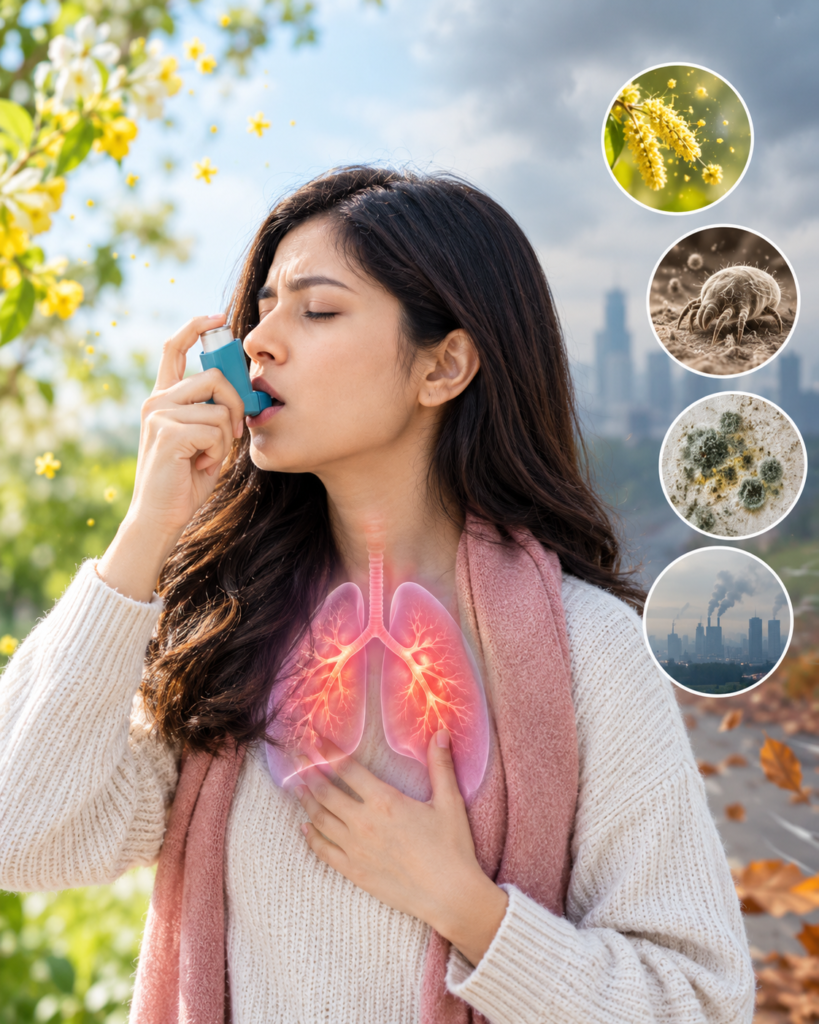
As the heavy rains begin to fade, the weather starts changing. The air can feel different, temperatures may fluctuate, and people gradually spend more time outdoors again.
For many people, this change is welcome.
For others, it can bring sneezing, nasal congestion, throat irritation, coughing, wheezing or breathlessness.
Seasonal changes can affect people with asthma and allergies, but they may also draw attention to respiratory problems that were previously overlooked.
A person may assume that repeated sneezing is simply a cold. Another may think that a night-time cough is caused by dust. Someone else may become breathless while climbing stairs and blame it on tiredness.
Sometimes these explanations are correct.
Sometimes they are not.
Understanding the difference is important.
Why Can Seasonal Changes Affect Breathing?
Our airways constantly respond to the environment around us.
Changes in temperature, humidity, dust, pollen, mould, smoke and air pollution can irritate the respiratory system. People with asthma or sensitive airways may be particularly affected by these triggers. Weather changes and respiratory infections can also worsen asthma symptoms.
The post-monsoon environment may also contain moisture-related mould in some homes and buildings. As people begin cleaning, renovating or rearranging their homes after the rainy season, they may be exposed to dust and other airborne irritants.
For a healthy person, this exposure may cause temporary irritation.
For someone with sensitive airways, it may trigger more significant symptoms.
Asthma Is More Than Occasional Breathlessness
Asthma is a chronic respiratory condition involving inflammation and narrowing of the airways.
Symptoms can vary from person to person. Some people experience wheezing, while others mainly develop coughing, particularly at night or early in the morning. Some may experience chest tightness or breathlessness during physical activity.
Symptoms can disappear for days or weeks and then return.
This intermittent pattern can sometimes cause people to underestimate the condition.
A person may say, “I only have breathing trouble when the weather changes.”
However, recurring symptoms still deserve evaluation.
Asthma can be effectively controlled in many people with appropriate diagnosis, treatment and trigger management.
Ashraya Superspeciality Hospital provides asthma care and comprehensive respiratory evaluation through its pulmonology services.
How Can You Tell an Allergy From an Infection?
This is not always possible without medical assessment, but there are some differences.
Allergies commonly cause repeated sneezing, an itchy nose or eyes and watery nasal discharge. Fever is generally not a typical feature of an uncomplicated allergy.
Respiratory infections may cause symptoms such as sore throat, cough, fever, body aches or fatigue.
However, symptoms can overlap.
Someone with allergies can also develop an infection, while a person with asthma may experience worsening symptoms during an infection or after exposure to environmental triggers.
If symptoms are persistent or repeatedly returning, a doctor can help identify the likely cause.
What Happens When Asthma Is Not Properly Controlled?
Poorly controlled asthma can interfere with everyday life.
A person may avoid exercise because physical activity triggers breathlessness. Sleep may be disturbed because of night-time coughing or wheezing. Frequent symptoms can also result in repeated medical visits or increased use of quick-relief medication.
The goal of asthma treatment is not simply to provide temporary relief when symptoms appear.
Long-term management focuses on controlling airway inflammation, reducing symptoms and lowering the risk of severe flare-ups.
Treatment varies from person to person. A doctor may prescribe inhaled medicines or other therapies depending on the severity and pattern of symptoms.
Don’t Be Afraid of Inhalers
Some people avoid inhalers because they believe that using an inhaler means their lungs are becoming weaker or that they will become dependent on the medicine.
This is a common misconception.
Inhalers are an important way of delivering medication directly to the airways. Depending on the medicine prescribed, inhalers can help relieve symptoms or reduce airway inflammation and the risk of asthma attacks.
The type of inhaler and medication depends on the individual’s condition.
Correct inhaler technique is also important. Even the appropriate medicine may not work as intended if the device is not used correctly.
If you regularly use an inhaler but continue to experience symptoms, discuss the situation with your doctor rather than stopping treatment on your own.
What About Allergic Cough and Airway Irritation?
Some people experience recurrent coughing and airway irritation after exposure to allergens or environmental triggers.
Dust, mould, smoke, strong fragrances and other irritants may worsen symptoms in susceptible individuals. Indoor mould, tobacco smoke and air pollution are recognized respiratory risk factors.
The useful approach is to identify personal triggers.
If symptoms repeatedly appear after exposure to a particular environment, mention the pattern to your doctor.
Keeping your home clean is helpful, but aggressive cleaning can sometimes put more dust into the air. When cleaning dusty areas, appropriate protection and ventilation can help reduce exposure.
When Does Breathlessness Need Medical Attention?
Breathlessness should not automatically be blamed on the weather.
If you are repeatedly short of breath while performing routine activities, it is worth finding out why.
Breathlessness can occur because of asthma, COPD, lung infections, anaemia, heart conditions and several other problems.
Urgent medical care is necessary when breathing difficulty is sudden or severe, particularly if it is associated with chest pain, fainting, confusion, bluish lips or rapidly worsening symptoms.
For less urgent but recurring breathlessness, arrange a medical evaluation rather than ignoring the symptom.
People With COPD Need Special Attention
COPD is a chronic lung condition that can cause persistent cough, mucus production, wheezing and breathlessness.
Respiratory infections and environmental irritants may worsen symptoms. People with COPD should follow their prescribed treatment and maintain regular medical follow-up.
Smoking cessation is particularly important for people with COPD. Avoiding tobacco smoke and other airway irritants can also reduce unnecessary exposure.
Ashraya Superspeciality Hospital provides diagnosis and long-term management of COPD, including medical treatment and pulmonary rehabilitation where appropriate.
Simple Steps to Protect Your Lungs
You do not need to completely change your lifestyle to support better respiratory health.
Start by paying attention to the air you breathe.
Keep damp areas of your home under control and address visible mould. Avoid smoking and second-hand smoke. Keep rooms reasonably ventilated. If dust triggers your symptoms, reduce unnecessary exposure while cleaning.
Maintain regular physical activity appropriate to your health and fitness level.
If you have asthma or COPD, keep your prescribed medicines available and follow the treatment plan given by your doctor.
Do not wait for symptoms to become severe before seeking help.
Why Can a Pulmonologist Help?
A persistent cough or recurring breathing problem can be frustrating because there are many possible causes.
A pulmonologist can assess your symptoms, medical history and risk factors and determine whether further testing is needed.
Depending on the situation, evaluation may include chest imaging, blood tests, pulmonary function tests or other investigations.
Ashraya Superspeciality Hospital’s pulmonology services include assessment and treatment for asthma, COPD, lung infections, chronic cough, sleep-related breathing disorders, bronchiectasis and other respiratory conditions.
The aim is to identify the underlying cause and develop a treatment plan appropriate for the patient.
Don’t Normalize Recurring Breathing Problems
One of the most important things to remember is that recurring symptoms are worth investigating.
If you repeatedly cough when the weather changes, wheeze during certain seasons or regularly wake at night because you cannot breathe comfortably, these patterns should not simply be accepted as part of your life.
Recurring symptoms may indicate asthma, allergies or another respiratory condition that requires evaluation.
Early assessment can help identify the cause and support appropriate management.
Final Word
Seasonal changes are a good reminder to pay attention to respiratory health.
For some people, changes in weather and environmental exposure may trigger allergies. For others, they may worsen asthma or bring attention to an underlying respiratory problem.
Occasional sneezing may not be a cause for concern. Persistent cough, recurrent wheezing or breathlessness deserves a closer look.
If you are experiencing repeated respiratory symptoms, consult a doctor instead of repeatedly treating the symptoms yourself.
At Ashraya Superspeciality Hospital, Marunji, near Hinjewadi, Pune, experienced pulmonologists provide comprehensive evaluation and treatment for respiratory diseases, supported by appropriate diagnostic and respiratory-care facilities.
Pay attention not only to changes in the weather but also to the way your body responds to them.
Breathing should not be something you have to think about. If it becomes difficult, listen to your body and seek appropriate medical care.
Recent Posts
-
 Seasonal Changes and Breathing Problems: Understanding Asthma, Allergies and Respiratory Health
 -
 Post-Monsoon Cough and Chest Infections: When a Simple Cough Needs Medical Attention
 -
 World Heart Day: Know the Warning Signs of Heart Problems Before They Become an Emergency
 -
 Post-Monsoon Respiratory Infections: Why September Can Trigger Cough, Cold and Breathing Problems
 -
 Menopause: Managing Symptoms for Better Quality of Life