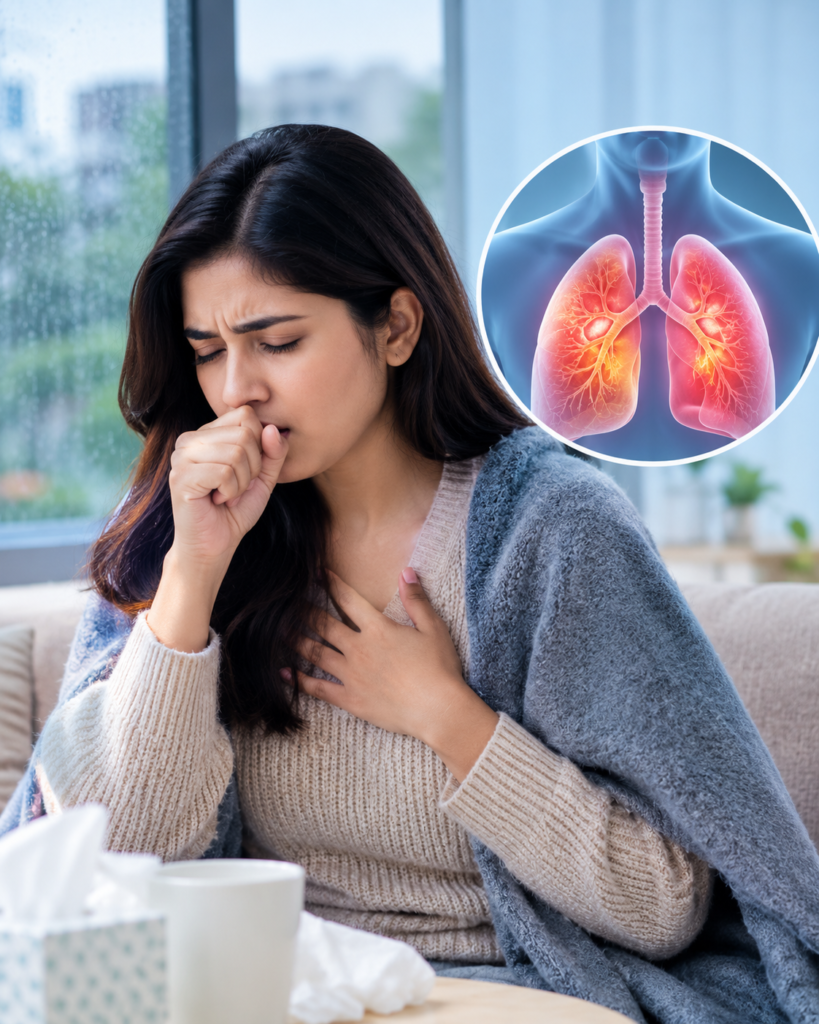
As the heavy rains begin to fade, the weather starts changing. Days may become warmer, mornings and evenings can feel different, and people gradually return to their usual outdoor routines. For many people, however, this seasonal transition also brings an unwanted problem—a cough that seems to stay longer than expected.
A cough after a cold or seasonal infection is common and often improves with rest and adequate care. However, a persistent or worsening cough can sometimes indicate a respiratory infection or an underlying lung condition that needs medical attention.
This is particularly important for children, older adults, smokers, people with asthma or COPD, and individuals with weakened immunity.
At Ashraya Superspeciality Hospital, Marunji, near Hinjewadi, Pune, respiratory conditions including seasonal respiratory infections, bronchitis, pneumonia, asthma and COPD are evaluated and managed with specialist care.
Why Does Cough Become Common After the Monsoon?
The respiratory system is constantly exposed to changes in the surrounding environment. During and after the rainy season, humidity, dampness, indoor mould, dust and changes in temperature can contribute to respiratory irritation.
Respiratory infections can also spread more easily when people spend time in enclosed spaces such as offices, classrooms, public transport and crowded indoor areas.
For someone with a healthy respiratory system, a short-term cough may not be a major concern. But for a person with asthma, COPD, bronchiectasis or another lung condition, a seasonal infection can sometimes worsen existing symptoms.
The important question is not only, “Why am I coughing?”
It is also, “How long have I been coughing, and what other symptoms do I have?”
Is Every Cough a Chest Infection?
No.
A cough can have several causes. A viral infection may leave behind a lingering cough even after fever, sore throat or other symptoms have improved. Allergies can also cause repeated coughing because of airway irritation or mucus dripping from the nose into the throat. Acid reflux is another possible cause of persistent cough.
Respiratory infections such as bronchitis or pneumonia, however, can affect the lower respiratory tract and may require medical evaluation.
This is why repeatedly using cough syrups or antibiotics without identifying the cause may not solve the problem.
A cough is a symptom, not a diagnosis.
When Is a Cough Usually Less Concerning?
A mild cough that occurs with a common cold and gradually improves is generally less concerning than one that becomes increasingly severe.
For example, a person may develop a runny nose, sore throat and mild cough for several days. As the infection improves, the cough may gradually become less frequent. In some cases, coughing can continue for a period even after the original infection has settled.
Adequate rest, sufficient fluids and following appropriate medical advice can support recovery.
However, if the cough is not improving, is becoming worse or is interfering with sleep and daily activities, it is advisable to consult a doctor.
Signs That a Cough Needs Medical Evaluation
Certain symptoms should not be ignored.
Persistent fever along with a cough may indicate an infection that requires assessment. Breathlessness, wheezing or chest tightness can indicate lower airway involvement or an underlying respiratory condition.
Chest pain associated with breathing or coughing also deserves medical attention, especially when accompanied by fever or difficulty breathing.
Coughing up blood requires prompt medical evaluation.
Older adults may sometimes develop significant respiratory infections without obvious symptoms. Instead of a high fever, they may experience unusual weakness, confusion, reduced appetite or increasing breathlessness.
The combination and severity of symptoms are important when deciding whether medical evaluation is needed.
Bronchitis and Pneumonia Are Different
Bronchitis and pneumonia are often confused, but they are different conditions.
Bronchitis involves inflammation of the bronchial airways and commonly causes cough, mucus production and chest discomfort. Acute bronchitis is frequently associated with respiratory infections.
Pneumonia involves infection and inflammation of the lung tissue. It may be caused by bacteria, viruses or other microorganisms. Symptoms can include fever, cough, chest pain, fatigue and difficulty breathing.
Pneumonia can become serious, particularly in older adults and people with existing medical conditions.
At Ashraya Superspeciality Hospital, lung infections are assessed through clinical examination and appropriate investigations. Depending on the suspected cause and severity, treatment may include medicines, respiratory support, oxygen therapy or hospital observation when required.
What About Asthma and COPD?
Seasonal respiratory infections can be more troublesome for people who already have chronic lung conditions.
A person with asthma may experience increased coughing, wheezing or chest tightness. Someone with COPD may develop worsening breathlessness, increased mucus production or a more severe cough.
These symptoms should not simply be considered a normal part of seasonal change.
If you already use inhalers or other respiratory medicines, continue following the treatment plan provided by your doctor. If symptoms become more frequent or difficult to control, your treatment may need to be reviewed.
Ashraya Superspeciality Hospital provides specialist care for asthma, COPD, bronchitis, pneumonia, chronic cough and other respiratory disorders.
How Can You Reduce Respiratory Problems?
Not every respiratory infection can be prevented, but simple habits can reduce unnecessary exposure.
Keep indoor spaces adequately ventilated, particularly when rooms have remained closed for long periods. Damp walls and visible mould should be addressed rather than ignored.
Avoid tobacco smoke because smoking can damage the airways and increase the risk of respiratory disease.
Regular hand hygiene is also useful, especially after using public transport, visiting crowded places or before eating.
If someone around you has a respiratory infection, maintaining reasonable distance and avoiding the sharing of personal items can help reduce transmission.
Adequate sleep, balanced nutrition and appropriate physical activity can also support overall health.
Should You Take Antibiotics for a Cough?
Not automatically.
Many respiratory infections are caused by viruses, and antibiotics do not treat viral infections. Unnecessary antibiotic use can contribute to antibiotic resistance and may cause side effects.
Whether an antibiotic is appropriate depends on the suspected cause of the illness and the patient’s clinical condition.
If a cough is persistent or accompanied by concerning symptoms, it is better to have it assessed by a doctor rather than starting antibiotics without medical advice.
When Should You Visit a Pulmonologist?
A pulmonologist can be helpful when respiratory symptoms are persistent, recurrent or difficult to control.
Medical evaluation should be considered if a cough continues for an unusually long period, repeatedly returns, is accompanied by wheezing or breathlessness, or begins interfering with sleep and everyday activities.
People with known asthma, COPD, bronchiectasis or other chronic respiratory conditions should also maintain regular follow-up, particularly when their symptoms change.
Depending on the symptoms, a doctor may recommend investigations such as chest imaging, blood tests or pulmonary function testing.
The goal is to understand the underlying cause rather than simply suppressing the cough.
Don’t Ignore a Cough That Keeps Coming Back
One common mistake is becoming accustomed to a recurring cough.
Someone may think, “I get this cough every year after the rains.”
However, repeated seasonal symptoms can sometimes be associated with an underlying condition such as asthma, allergies, chronic sinus problems or another respiratory disorder.
If the same pattern keeps returning, it deserves medical attention.
Final Word
The transition after the rainy season is a good time to pay attention to your respiratory health. Changes in temperature, air quality, humidity and exposure to respiratory irritants can affect people differently.
A short-lived cough is often associated with a common infection. But a cough that persists, worsens or occurs with fever, chest pain, wheezing or breathing difficulty should not be ignored.
At Ashraya Superspeciality Hospital, Marunji, near Hinjewadi, Pune, respiratory conditions are evaluated with specialist care and appropriate diagnostic support. The hospital provides treatment for lung infections, asthma, COPD, bronchitis and other respiratory problems.
If your cough is not settling or your breathing is becoming difficult, don’t simply wait for the weather to change.
Understanding the reason behind a persistent cough can be the first step toward breathing better.
Recent Posts
-
 Seasonal Changes and Breathing Problems: Understanding Asthma, Allergies and Respiratory Health
 -
 Post-Monsoon Cough and Chest Infections: When a Simple Cough Needs Medical Attention
 -
 World Heart Day: Know the Warning Signs of Heart Problems Before They Become an Emergency
 -
 Post-Monsoon Respiratory Infections: Why September Can Trigger Cough, Cold and Breathing Problems
 -
 Menopause: Managing Symptoms for Better Quality of Life